Every inbound email triaged. The task done in the systems you already run.
A house bill and a packing list arrive. TIO reads them, creates the lot or delivery order, and sends your team a review email that shows every field. You check it and send it. Sorting a whole shared mailbox by shipment is inbox triage, which is in production at a US trucking agency.
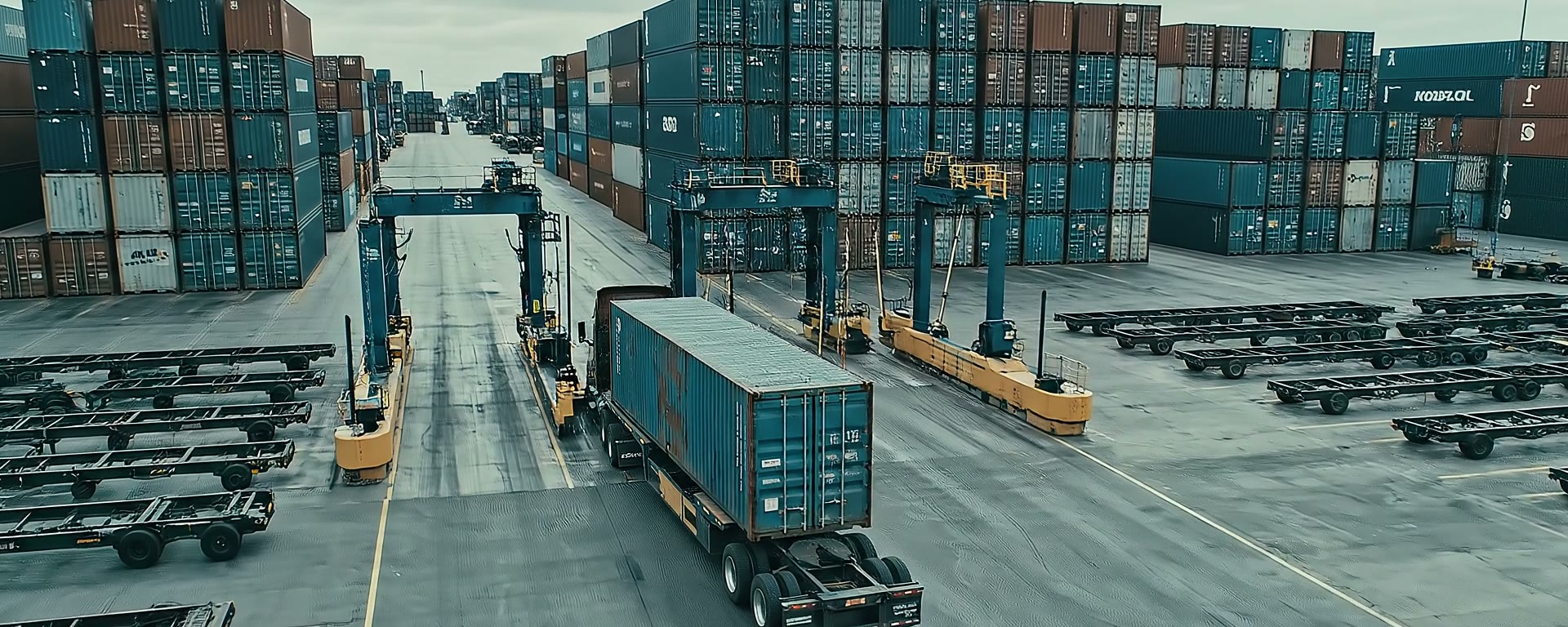
- 01Email and attachments
- 02Fields readby TIOA required fact is missingTIO asks once
- 03Record writtenthrough the right adapter
The gap between the email and the record is a person.
Today a team member reads the booking confirmation, opens the TMS you already run, finds the job, and types the fields in by hand. Then does it again for the pre-alert, and again for the B/L. Every booking, rate response, overseas agent update, and shipper question hits the inbox first. Run real volume and the inbox stops being a mailbox and becomes the bottleneck.
Read the documents, create the record, send it for review.
Inbox triage
In production at a US trucking agency. Sorts a shared mailbox by what each email is, which shipment it belongs to, and who should handle it, then tells that person when an email needs them. It never replies to a customer.
Records created, every field shown
Order entry reads the bills and the packing list and creates the lot or delivery order, charge lines included. The review email shows every field for your team to check.
Exceptions go to a person
A party TIO cannot match, or a document that contradicts another, goes to a person with the facts already attached. Record audit re-checks finished records against their source documents and reports each difference with its cause.
Ask about a load
Your staff email a question about a load and get the status, the details, and the document back. TIO reads; it does not change an order.
From documents in to reviewed record, step by step.
An email arrives
A booking, pre-alert, carrier rate, or arrival notice lands in your shared inbox. Nothing about how your team receives mail changes.
TIO reads the documents
It reads the master bill, house bill, packing list or delivery order that came with the email.
It matches the parties
It matches the parties on the documents. A party it cannot match goes to a person.
It creates the record
It pulls the fields and creates the lot or delivery order, charge lines included. The review email shows every field, so review is a check, not a re-type.
Your team reviews
A person on your team checks the record against the source and corrects anything wrong.
Your records stay in your systems
TIO writes to your systems, and your TMS stays the record. Write permissions are configured by action and customer, and the write-event journal is protected from application edits and deletion. A customs filing is always filed by a person.
It is not a document parser you feed one PDF at a time, and it does not replace any of your systems. It handles the flow of work between the inbox and the systems you already run. The first job starts as a scoped pilot on your own documents.
Where the work happens.
All solutions


Straight answers.
What is inbox automation for a freight forwarder?
Closing the gap between a shipment email arriving and the work being done. An ocean job generates 5 to 8 emails that each need entry: the booking, the pre-alert, the bills, the arrival notice, the updates. Today a person reads each one and keys it in. Inbox automation means TIO does the reading and the entry. Each action has its own setting: the record goes to your team for review, or it waits for a person's reply. Matching every email in a shared mailbox to its shipment is inbox triage, which is in production at a US trucking agency.
How does TIO know which job an email belongs to?
Matching an email to its shipment is inbox triage, and it is in production at a US trucking agency. TIO sorts a shared mailbox by what each email is, which shipment it belongs to, and who should handle it, then tells that person when an email needs them. It never replies to a customer. Order entry, which is in production, works from the documents it is given: a master bill, house bill, packing list or delivery order. A party it cannot match goes to a person.
What happens when TIO reads a field wrong?
Your reviewer catches it, because the review email shows every field. The correction takes seconds. When your team corrects TIO, TIO turns the correction into a rule for your operation. A document that contradicts another goes to a person instead of a guess.
Which inboxes and systems does this work with?
TIO works with the systems your team already runs: your TMS, spreadsheets, shared drives, a CRM and email inboxes. For any other system, TIO first checks what it lets TIO read and write, then scopes the job. The first job starts as a scoped pilot on your own documents. We need access to the mailbox, sample documents, and a login to your TMS. Your TMS stays the system of record. At the US import forwarder in production, order entry turned about 30 minutes of keying per lot into a review that takes seconds.
Talk through your inbox process.
We work around your people and your schedule. Your people, your processes, not the other way around.
Talk about your process