AI automation for LTL and FTL trucking agencies.
AI agents that run the quote desk by email: an LTL quote in seconds, truckload quoting handled end to end, the load booked on a yes, tracked to delivery, and the proof of delivery sent. Your team handles the exceptions.
- 01Rate requestby email
- 02QuoteLTL rates or a truck costOver your price ceilinggoes to a person
- 03Bookingwhen the customer says yes
- 04Trackingto proof of delivery
Freight brokerages and trucking agencies: the work, one job at a time.

LTL Quote Agent
Reads the rate request, classes the freight, pulls live carrier rates, and replies in the customer’s thread.
- On its own
- Sends the quote when the price is under your ceiling
- Goes to a person
- A price over your ceiling, a freight class dispute, hazmat or oversize freight
- Status
- In production at a US trucking agency

Truckload Quote Agent
Builds the truckload request, asks for the truck cost, applies your margin rule, and sends the rate.
- On its own
- Builds and sends the request, and sends the rate when the cost comes back
- Goes to a person
- A lane or freight your rules do not cover
- Status
- In production at a US trucking agency

Booking
When the customer accepts a quote, creates the order, checks it against the request, and sends the bill of lading.
- On its own
- Books a quoted shipment the customer accepted
- Goes to a person
- A change to a booked order, and anything the request does not state
- Status
- In production at a US trucking agency
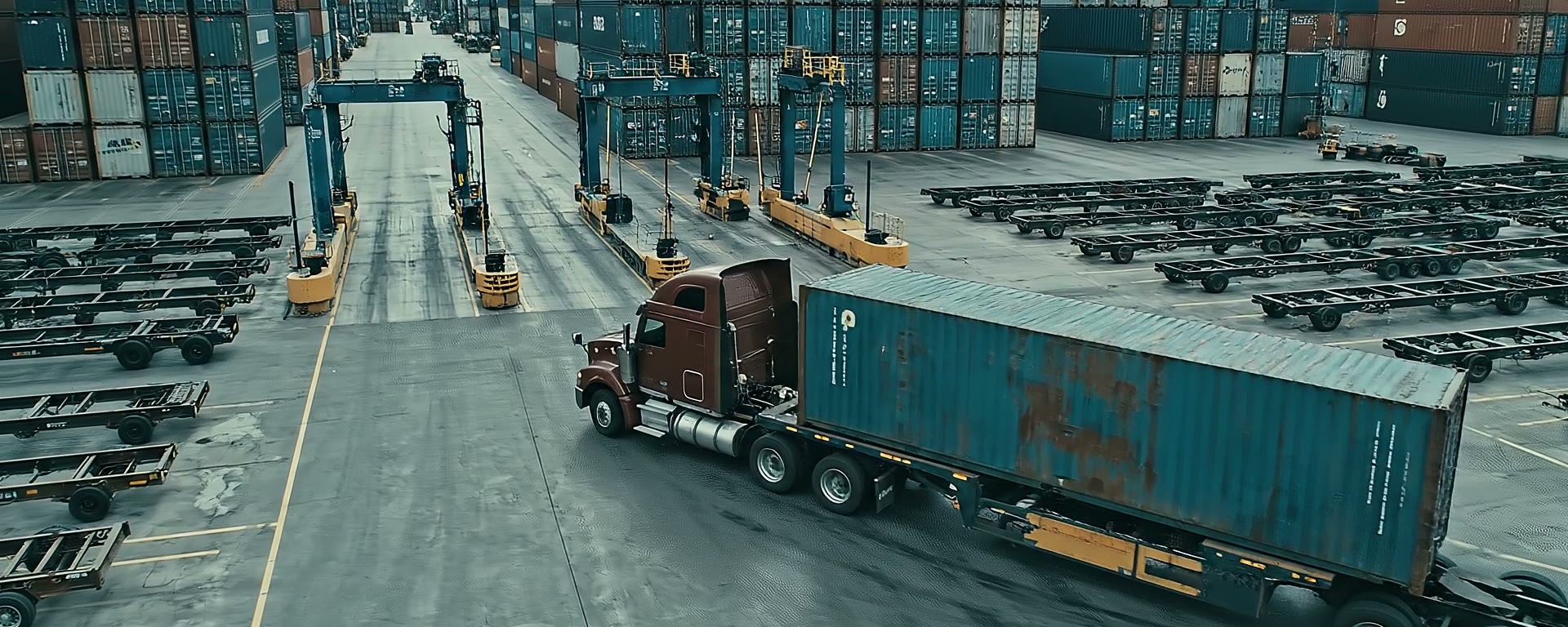
Tracking Agent
Follows each shipment, tells the customer when something real changes, and sends the proof of delivery.
- On its own
- Sends status and documents for a booked shipment
- Goes to a person
- A late pickup, a cancellation on or after pickup day, a date change in your TMS without your reply
- Status
- In production at a US trucking agency and a US import forwarder

Ops Agent
Your staff ask about a load by email and get the status, the details and the document back.
- On its own
- Answers from the records. It reads; it does not change an order
- Goes to a person
- Any request to change an order
- Status
- In production at a US trucking agency
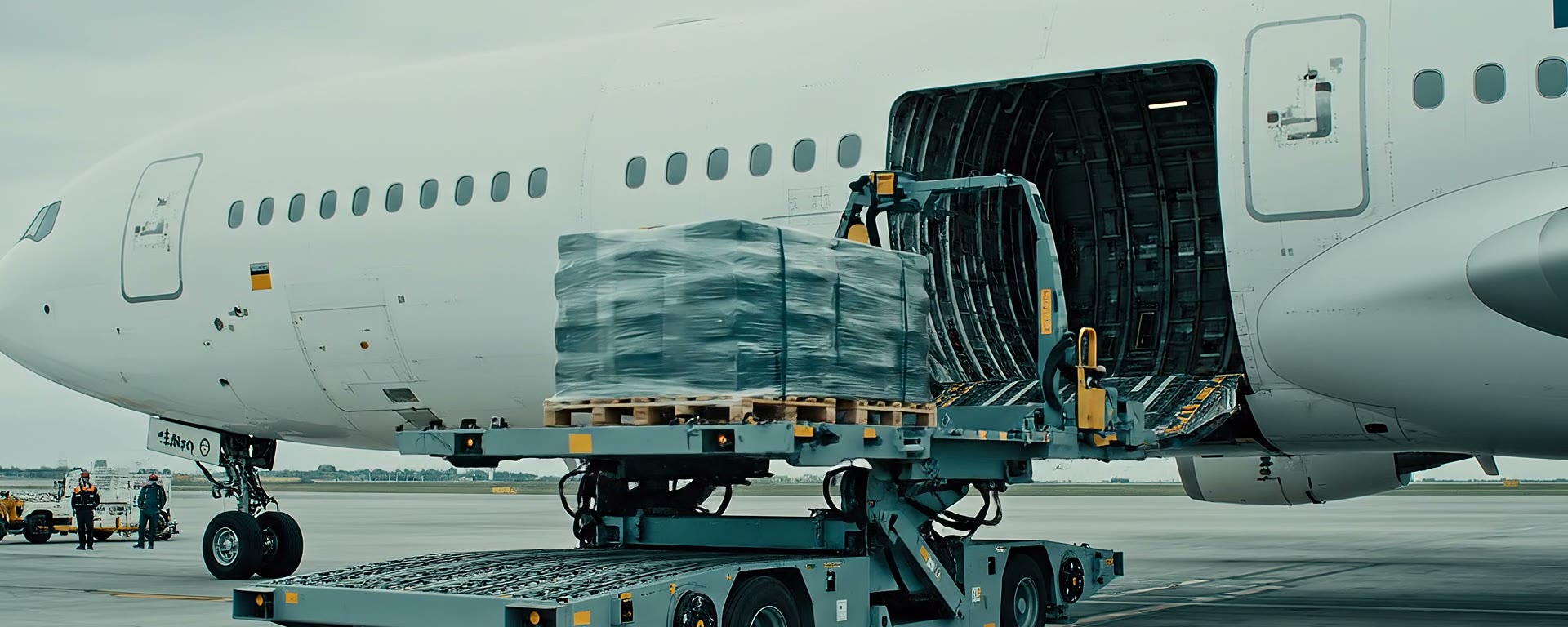
Example panels with sample steps on illustrative footage. Not a live feed.
What is AI automation for a trucking agency?
AI automation for a trucking agency is a set of software agents that do the routine work of the quote desk and the operations desk: read the customer’s emailed rate request, price the shipment, reply in the same thread, book the load when the customer accepts, track it, and send the paperwork. LTL and full truckload (FTL) are handled by two separate agents because the jobs differ. LTL has a live carrier rate call, so a quote goes out in seconds. Truckload has no instant rate, so the agent requests the truck cost and turns it into a customer price when it lands. TIO is an AI agent workforce for freight forwarders and freight brokerages, and this is the part of that roster built for trucking agencies, freight agents, and freight brokers. TIO works the brokerage desk. It does not manage a carrier’s fleet or dispatch drivers.
Six jobs the agents take off the desk.
LTL quoting
Reads pallets, dimensions, weight, and the lane, resolves the freight class in code, pulls live carrier rates, and replies with a short list of options.
Truckload and partial quoting
Builds a complete request without asking what the email already says, gets the truck cost, applies your margin rule, and sends the rate.
Booking and dispatch
On a yes, creates the order, checks pieces, pallets, and weight against the request in code, dispatches, and emails the bill of lading.
Tracking and proof of delivery
Watches every booked load, emails the customer on each real change, and sends the proof of delivery when the carrier posts it.
Ops agent for your staff
Your team emails one address to ask about a load and gets the status, the details, and the document back in about five seconds.
Inbox triage, in pilot
Sorts the desk’s shared mailbox by what each email is, which load it belongs to, and who should handle it. In pilot, it sorts in the background and nothing is sent.
From the rate request to the signed receipt.
1 · The request arrives
Your customer emails the same address as always, in their own words. Nothing changes on their side.
2 · The agent reads it
It fills the shipment from the email and attachments. If a required fact is missing, it asks once.
3 · Code prices it
Class, margin, minimums, and ceilings are applied by code from your rules. The language model reads; it does not decide.
4 · The quote goes out
One reply in the customer’s thread, assumptions stated, with a plain way to accept.
5 · The load is booked
On a yes, the order is created, checked, and dispatched, and the bill of lading is sent.
6 · It is followed home
Pickup notice, delivery update, and proof of delivery go to the customer. Problems go to your team first.
How the speed compares.
12 min → 12 sec
Median LTL quote reply, against the manual desk the agents replaced.
78 min → 26 min
Median truckload rate. Most of what remains is the wait for the truck quote.
About 5 seconds
For the ops agent to answer a staff question about a load, document attached.
Measured at a US trucking agency on the GlobalTranz network. Read how the quote agents work.
What changes on the desk.
| Step | Manual desk | With the agents |
|---|---|---|
| Read the request | A person opens the mailbox | Read on arrival, fields filled |
| Missing facts | Several emails back and forth | One question, asked once |
| LTL price | Median 12 minutes | Median 12 seconds |
| Truckload rate | Median 78 minutes | Median 26 minutes |
| Booking paperwork | Typed and attached by hand | Sent by the agent after a code check |
| Check calls and POD requests | A person looks up each load | Sent on each real change |
| Odd freight, big prices, disputes | Handled in the same queue | Routed to a person with facts attached |
Code decides. Your rules set the limits.
Guardrails in code
A doubtful class, a price above your ceiling, or a missing field becomes a task for a person. The agent cannot raise its own limits.
A switch per surface
Quote replies, bookings, and customer updates each have their own on and off switch for each account. One can be stopped in minutes.
A record of every action
Who acted, for which customer, when, and the before and after values. When a price is questioned, you read what the agent saw.
Go deeper: how to automate LTL and FTL quoting, automated tracking and POD, the ops agent, and inbox triage.
Where the work happens.
All solutions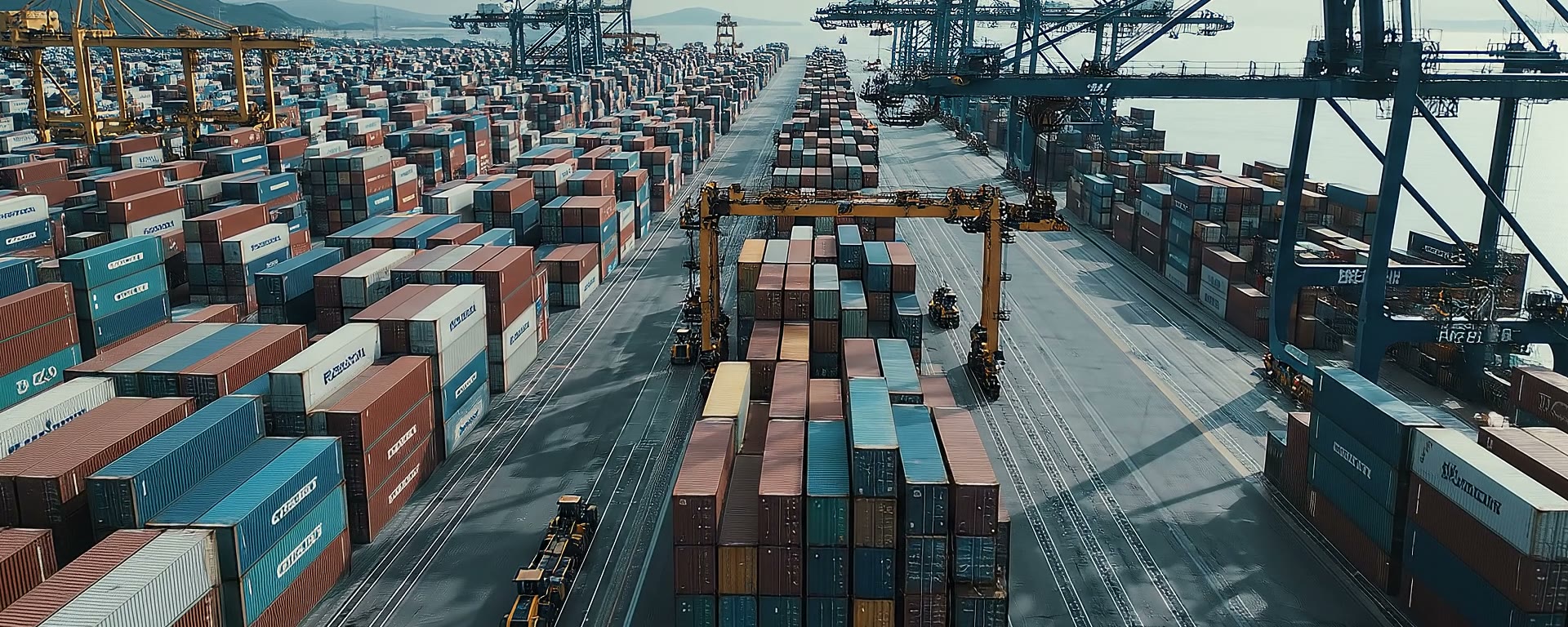

Straight answers.
What AI automation services are available for LTL and FTL trucking agencies?
TIO provides 6: LTL quoting, truckload and partial quoting, booking and dispatch, shipment tracking with proof of delivery, a staff ops agent that answers load questions by email, and inbox triage, which is in pilot. Each is a named AI agent that works from the email address your customers and staff already use.
How does AI quote LTL freight?
The agent reads the rate request, fills in pallets, dimensions, weight, and the lane, resolves the freight class in code, pulls live carrier rates, and replies in the customer's thread with a short list of options. On a live desk the median reply takes about 12 seconds, against about 12 minutes by hand.
Can AI quote a full truckload without a person?
Yes, inside your rules. The agent builds a complete request, gets the truck cost, applies your margin rule, and sends the rate in the same thread. A lane or freight your rules do not cover goes to a person. The median truckload reply takes about 26 minutes, against about 78 minutes by hand. Most of the 26 minutes is the wait for the truck quote to come back; the agent's own work is about 2 minutes.
Does AI automation replace our TMS or our carriers?
No. The agents work through an adapter built for your TMS and use the carrier rates you already have, and your TMS stays the system of record. Adapters are in production for two TMS platforms. For any other system, TIO first checks what it lets an agent read and write. Customers keep emailing the same address. Every action an agent can take has its own on and off switch, so 1 surface can be stopped in minutes without touching the rest.
What does a trucking agency keep doing by hand?
The judgment calls. Freight above a price ceiling you set, a freight class dispute, hazmat and oversize, carrier relationships, claims, and anything a customer is upset about go to a person. On a live desk roughly 1 request in 5 is handed over, each with the shipment already read and the rates attached.
See a quote go out on your own freight.
Bring a real document and watch an agent take it to a finished draft while you’re on the call.
Book a demo